
Description
What does Seaweed Body Gel do?
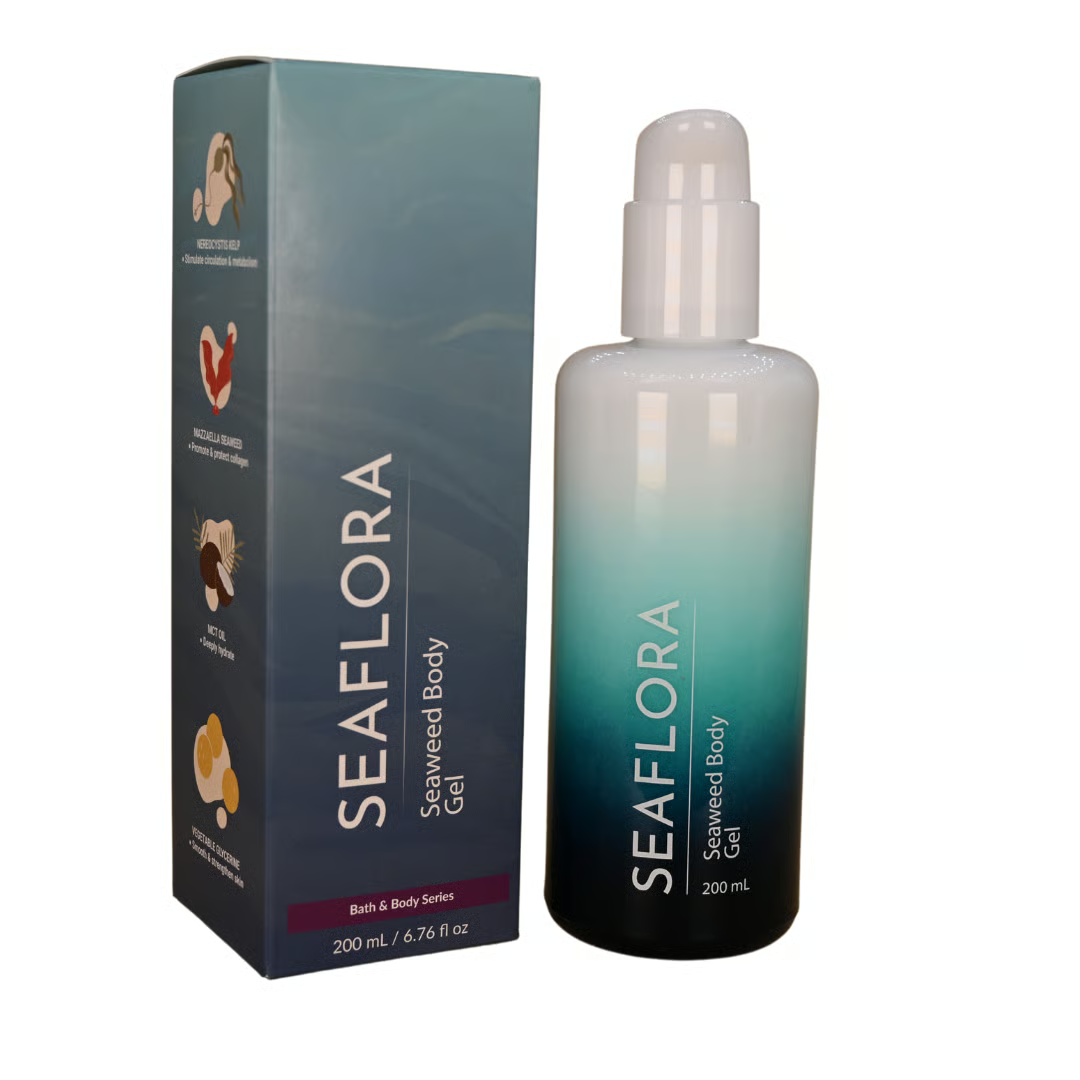
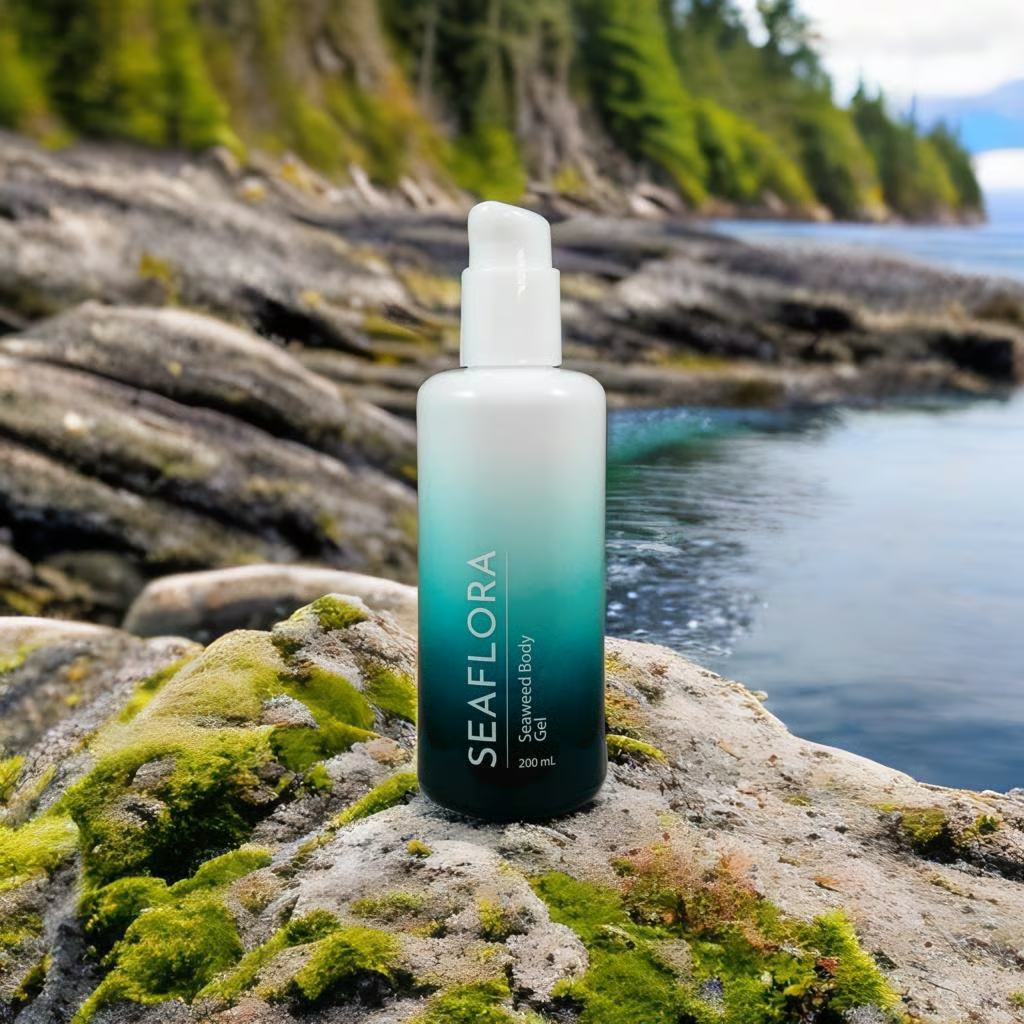
Seaweed Body Gel calms inflammation, hydrates deeply, and helps restore skin resilience. Rich in soothing seaweed bioactives, antioxidants, and prebiotics, this multi-use gel nourishes the microbiome and visibly improves skin tone and texture. Top spas have called it “liquid gold” for decades — and for good reason.
Who is Seaweed Body Gel best for?
Ideal for anyone dealing with skin that’s itchy, red, stressed, or reactive. Seaweed Body Gel is safe for all skin types — including inflamed and redness prone — and recommended for use after sun exposure, shaving, waxing, or body treatments. Also great for targeting areas prone to cellulite.
How do I use Seaweed Body Gel?
Apply sparingly to clean skin as often as needed. Gently massage until absorbed. Use daily on areas of concern or all over for full-body skin benefits.
What step in my routine should I use Seaweed Body Gel in?
Use after showering, cleansing, or body exfoliation. Seaweed Body Gel can be used alone or followed by Wild Sea Kelp Body Lotion to lock in hydration and provide a protective barrier.
What makes Seaweed Body Gel different from other body gels?
Seaweed Body Gel is handcrafted in small batches using Seaflora’s proprietary Organic Seaweed Elixir™, composed of freshly hand-harvested red and brown macroalgae. It is:
- The only body gel on the market with this high concentration of whole, raw, wild organic seaweed
- Packed with fucoidan, alginates, and phlorotannins shown in studies to support skin regeneration, hydration, and antioxidant defense
- A raw, food-grade formula with minimal ingredients and maximum results
- Loved by estheticians and spa therapists for its versatility — from facials to full body wraps to calming post-sun rituals
How does Seaweed Body Gel support the skin?
This formula supports the skin’s natural resilience with:
- Polysaccharides to bind moisture and help maintain elasticity
- Alginates to create a soft, breathable barrier that locks in hydration
- Fucoidan to visibly reduce redness and support even skin tone
- Natural antioxidants that support the skin’s defense against environmental stressors
Why is seaweed good for your skin — especially on the body?
Seaweed contains a treasure trove of skin-loving compounds:
- Rhodophyta (Red Algae) – Contains Mycosporine-like Amino Acids (MAAs), which help protect skin during sun exposure. Rich in ceramides and peptides to promote elasticity and barrier repair.
- Phaeophyta (Brown Algae) – High in fucoidan, which supports collagen synthesis, reduces oxidative stress, and calms sensitivity.
- Alginates & Polysaccharides – Can hold up to 1,000x their weight in water, helping skin feel smooth, plump, and deeply hydrated.
- Ceramides (naturally occurring) – Help restore barrier function and comfort for dry or reactive skin.
- MAAs – Help skin maintain a healthier appearance under environmental stressors like UV exposure.
- Fucoxanthin & Astaxanthin – Among the most potent natural antioxidants, shown to support skin tone, calm inflammation, and protect against free radical damage.
- Up to 92 naturally occurring minerals — including zinc, calcium, magnesium, selenium, potassium, and iodine — help optimize skin function, improve clarity, and support regeneration.
What’s the texture and scent of Seaweed Body Gel like?
The texture is light and silky with a subtle gel consistency. It absorbs quickly without stickiness. There’s no added scent — only a mild, earthy aroma from the fresh seaweed and skin-balancing MCT oil.
Is Seaweed Body Gel safe for sensitive skin?
Yes — Seaweed Body Gel is fragrance-free, essential oil-free, hypoallergenic, and dermatologist-tested for ultra-sensitive skin. It’s gentle enough to use on skin that is prone to eczema, psoriasis, dermatitis, or after-sun sensitivity.
What should I follow Seaweed Body Gel with?
Follow with Wild Sea Kelp Body Lotion or Sea Radiance Facial Moisturizer for added nourishment. It also layers beautifully under Seaflora’s Everything Oils for maximum comfort and hydration.
Is Seaweed Body Gel vegan / gluten free / cruelty free / organic?
Yes — it’s:
- Vegan
- Gluten-free
- Cruelty-free
- Made with certified organic wild seaweed and food-grade ingredients
- Formulated without fragrance, synthetic preservatives, or known irritants
Is Seaweed Body Gel hypoallergenic?
Yes — it’s hypoallergenic, noncomedogenic, and made in small batches to ensure freshness and purity. Gentle and nourishing for even the most reactive skin.
How long will Seaweed Body Gel last?
The 200 mL / 7 oz bottle typically lasts 8 – 12 weeks with regular use on targeted areas, or longer if used sparingly.
Is Seaweed Body Gel safe during pregnancy or nursing?
Yes — Seaweed Body Gel is crafted with food-grade, certified organic ingredients and contains no fragrance, essential oils, or synthetic chemicals. It’s considered safe for use during pregnancy and nursing. If unsure, always consult with your healthcare provider.
Is Seaweed Body Gel refillable / recyclable / zero waste?
- Refillable: No
- Recyclable: Yes — packaged in recyclable glass with compostable outer box
- Zero Waste: Yes — every batch is made in Seaflora’s zero-waste facility on Vancouver Island
- A portion of each purchase goes to The Ancient Forest Alliance, The Georgia Strait Alliance and the Sooke Salmon Enhancement Society
What if I have [concern: cellulite / redness / post-sun / inflammation / sensitivity]?
- Cellulite: With regular massage and exfoliation, this gel visibly smooths and tones
- Redness: Calms visible redness and irritation with antioxidant-rich seaweed bioactives
- Post-Sun: Naturally cooling and calming — loved by many as their go-to post-sun ritual
- Inflammation: Fucoidan and alginates help soothe inflamed or reactive skin
- Sensitivity: Gentle enough for inflamed or compromised skin
What is the shelf life of the product unopened?
24 months from the date of manufacture. Each bottle is labeled with a best-before date.
What is the shelf life of the product once opened?
Use within 12 months of opening for best results.
Suggested Clinical References (Science-Backed Support)
You can link these as footnotes or reference numbers in the product page for deeper reading:
- Fucoidan in dermatological applications – International Journal of Biological Macromolecules
- Seaweed polysaccharides and skin hydration – Marine Drugs
- Algae extracts and antioxidant activity – Journal of Cosmetic Dermatology
- The role of MAAs in UV protection – Photochemistry and Photobiology
- Astaxanthin’s skin benefits – Nutrients
- Fucoxanthin and anti-inflammatory activity – Journal of Clinical Biochemistry and Nutrition

Reviews
There are no reviews yet.